Kabir
.Kabir was a 15th-century Indian mystic poet and saint, whose writings influenced Hinduism's Bhakti movement and his verses are found in Sikh's scripture Adi Granth.His early life was in a Muslim family, but he was strongly influenced by his teacher, the Hindu bhakti leader Ramananda.
 Kabir is known for being critical of both Hinduism and Islam, stating that the former were misguided by the Vedas and the latter by theQuran, and questioning their meaningless rites of initiation such as the sacred thread and circumcision respectively. During his lifetime, he was threatened by both Hindus and Muslims for his views. When he died, both Hindus and Muslims he had inspired, claimed him as theirs.


.Kabir was a 15th-century Indian mystic poet and saint, whose writings influenced Hinduism's Bhakti movement and his verses are found in Sikh's scripture Adi Granth.His early life was in a Muslim family, but he was strongly influenced by his teacher, the Hindu bhakti leader Ramananda.
Kabir is known for being critical of both Hinduism and Islam, stating that the former were misguided by the Vedas and the latter by theQuran, and questioning their meaningless rites of initiation such as the sacred thread and circumcision respectively. During his lifetime, he was threatened by both Hindus and Muslims for his views. When he died, both Hindus and Muslims he had inspired, claimed him as theirs.
Kabir suggested that True God is with the person who is on the path of righteousness, considered all creatures on earth as his own self, and who is passively detached from the affairs of the world. To know God, suggested Kabir, meditate with the mantra Rāma, Rāma.
Kabir's legacy survives and continued through the Kabir panth ("Path of Kabir"), a religious community that recognises him as its founder and is one of the Sant Mat sects. Its members, known as Kabir panthis.
Early life:

- The early life of Kabir , including his year of birth and death are unclear. Some historians favor 1398–1448 as the period Kabir lived, while others favor 1440–1518.
- Many legends, inconsistent in their details, exist about his birth family and early life. According to one version, Kabir was born to a Brahmin unwed mother in Varanasi, by immaculate conception and delivered through the palm of her hand, who then abandoned him in a basket floating in a pond, and baby Kabir was picked up then raised by a Muslim family.
- However, modern scholarship has abandoned these legends for lack of historical evidence, and Kabir is widely accepted to have been born and brought up in a family of Muslim weavers.
- Some scholars state that Kabir's parents may have been recent converts to Islam, they and Kabir were likely unaware of Islamic orthodox tradition, and are likely to have been following the Nath (Shaiva Yogi) school of Hinduism.
- Circumcised or not, Kabir was officially a musalman, though it appears likely that some form of Nathism was his ancestral tradition. This alone would explain his relative ignorance of Islamic tenets, his remarkable acquaintance with Tantric-yoga practices and his lavish use of its esoteric jargon [in his poems]. He appears far more conversant with Nath-panthi basic attitudes and philosophy than with the Islamic orthodox tradition. — Charlotte Vaudeville on Kabir (1974),
- Some legends assert that Kabir never married and led a celibate's life. Most scholars conclude from historical literature that this legend is also untrue, that Kabir was likely married, his wife probably was named Dhania, they had at least one son named Kamal and a daughter named Kamali.
- Kabir's family is believed to have lived in the locality of Kabir Chaura in Varanasi.
Religion of Kabir Das
According to the Kabir Das, real religion is a way of life the people live it and not made by the people own. According to him the work is worship and responsibility is like religion. He said that live your life, do responsibilities and do hard work to make your life eternal. Never go away from the responsibilities of the life like having Sanyasa. He appreciated and valued the family life which is the real meaning of life. It is also mentioned in the Vedas that living life by leaving home and responsibilities is not the real dharma. Living as a householder is also a great and real Sanyasa. Just like, Nirguna sadhus who live a family life, work hard for their daily routine bread as well as chant the name of God.
He has given the people an authentic fact about what is the religion of human beings the one should have. Such preaches of him has helped the common people to understand the mystery of life very easily.
Kabir Das: A Hindu or A Muslim
It is considered that after the death of Kabir Das, Hindus and Muslims had claimed for getting the dead body of Kabir Das. Both of them wanted to do the funeral of dead body of the Kabir Das according to their own customs and traditions. Hindus stated that they want to burn the body as he was a Hindu and Muslims said that they want to bury under the Mohammedan rites as he was a Muslim.
But, when they removed the sheet from the dead body they found only some flowers at that place. They distributed the flower between each other and completed the funeral according to their own traditions and customs. It is also considered that when they were fighting, the spirit of Kabir das came to them and said that, “I was neither a Hindu nor a Mohammedan. I was both. I was nothing. I was all. I discern God in both. There is no Hindu and no Mussalman. To him who is free from delusion, Hindu and Mussalman are the same. Remove the shroud and behold the miracle!”
A temple of Kabir Das is made at the Kabir Chaura in the Kashi which has now become the great pilgrimage place for the people all over India as well as outside India. And a mosque of him was built by the Muslims over the grave which has become the pilgrimage for Mohammedans.
God of Kabir Das
His Guru Ramanand has given him the name of Lord Rama as a guru-mantra which he had interpreted in his own way. He was devoted to the Nirguna Bhakti and not to the Saguna Bhakti like his Guru. His Rama was an absolute pure Satchitananda, not the son of Dasharatha or king of Ayodhya as he said “Dasaratha ke ghar na janmey, yee chal Maya keenha.” He was greatly influenced by the Buddhas and the Siddhas over Islamic tradition. According to him, “Nirguna Nama japahu rey Bhaiya, Avigati Ki gati Lakhi Na Jaiya.”
He never differentiate between the Allah and Rama, he always preached to the people that these are only different names of one God. He said that there should be a religion of love and brotherhood among people without any high or low class or caste. Devote and surrender yourself towards the God who has no religion or caste. He always believed in the Karma of life.
Kabir Das Contribution to the Country
Saint Kabir Das, a Bhakti and Sufi movement saint of the medieval India, is extensively for his Bhakti movement in the North India. His life cycle is centered in the region of Kashi (also known as the Banaras or Varanasi). He was heriditarically related to the weaving occupation and cast of Julaha. His immense contribution towards the Bhakti Movement in India is considered as a pioneered one along with the Farid,Ravidas and Namdev. He was a saint of combined mystical nature (Nath tradition, Sufism, bhakti) which made him of a distinctive religion of his own. He said that the path of sufferings is the real love and life.
In the fifteenth century, all the areas of life of people in the Varanasi were strongly held by the Brahmin orthodoxy as well as learning centers. To make free the people from, Kabir Das had to work hard to preach his idealogy as he belonged to the low caste, Julaha. He never felt difference among the people whether they are prostitutes, low caste or high caste. He preached to all by gathering self and his followers. He was ridiculed by the Brahmins for his preaching activities but he never criticizes them back and that’s why he was much liked by the common people. He started reforming the mind of common people towards the real truth through his couplets.
He always objected the ritualistic and ascetic methods as a means of salvation. He said that goodness’s ruby has more value than the mines of ruby. According to him, the one’s heart with goodness includes all the prosperity of whole world. A person with mercy has strength, forgiveness has real existence of him, and individual with righteousness can easily attained the never-ending life. He said that the God is in your heart and ever with you, so offer inward worship to him. He had opened the mind of common people by one of his example that, if the traveler is not able to walk; what can the road do for traveler.
He opened the deep eyes of the people and taught them genuine lessen of humanity, morality and spirituality. He was a follower and promoter of the ahimsa. He had turned the people mind of his period through his revolutionary preach. There is no real proof and clue about his birth and family, some say he was from a Muslim family; some say he was from high class Brahmin family. There was some disagreement among people related to the Muslim and Hindu about the funeral system after his death. His life history is legendary and still teaches the human beings a real humanity.
Kabir Das: A Mystic Poet
 A great mystic poet, Kabir Das, is one of the leading spiritual poets in Indian who has given his philosophical ideas to promote the lives of people. His philosophy of oneness in God and Karma as a real Dharma has changed the mind of people towards goodness. His love and devotion towards the God fulfill the concept of both Hindu Bhakti and Muslim Sufi.
It is considered that he was from the Hindu Brahmin family but espoused by the Muslim weavers without child, Niru and Nimma. He was founded by them into the pond of Lahartara (in Kashi) lying at a huge lotus leaf. At that time there was a lot of disagreement between orthodox Hindu and Muslim people which was the main focus of Kabir Das to resolve that issue by his dohas or couplets.
Professionally he never attended classes but he was very knowledgeable and mystic person. He wrote his couplets and dohas in the formal language which was greatly spoken at that time which includes the Braj, Avadhi and Bhojpuri as well. He wrote a lot of dohas, couplets and books of stories based on the social barriers.
A great mystic poet, Kabir Das, is one of the leading spiritual poets in Indian who has given his philosophical ideas to promote the lives of people. His philosophy of oneness in God and Karma as a real Dharma has changed the mind of people towards goodness. His love and devotion towards the God fulfill the concept of both Hindu Bhakti and Muslim Sufi.
It is considered that he was from the Hindu Brahmin family but espoused by the Muslim weavers without child, Niru and Nimma. He was founded by them into the pond of Lahartara (in Kashi) lying at a huge lotus leaf. At that time there was a lot of disagreement between orthodox Hindu and Muslim people which was the main focus of Kabir Das to resolve that issue by his dohas or couplets.
Professionally he never attended classes but he was very knowledgeable and mystic person. He wrote his couplets and dohas in the formal language which was greatly spoken at that time which includes the Braj, Avadhi and Bhojpuri as well. He wrote a lot of dohas, couplets and books of stories based on the social barriers.
Works of Kabir Das
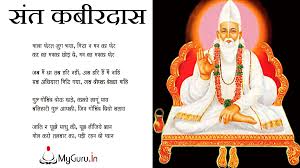 The books written by the Kabir Das are generally the collections of dohas and songs. The total works are seventy two including some of the important and well known works are Rekhtas, Kabir Bijak, the Suknidhan, Mangal, Vasant, Sabdas, Sakhis and Holy Agams.
The writing style and language of the Kabir Das is very simple and beautiful. He had written his dohas very boldly and naturally which are full of meanings and significance. He wrote from the depth of his heart. He has compressed the sense of whole world in his simple dohas and couplet. His sayings are beyond compare and inspiring.
Birth Place of Kabir Das
The books written by the Kabir Das are generally the collections of dohas and songs. The total works are seventy two including some of the important and well known works are Rekhtas, Kabir Bijak, the Suknidhan, Mangal, Vasant, Sabdas, Sakhis and Holy Agams.
The writing style and language of the Kabir Das is very simple and beautiful. He had written his dohas very boldly and naturally which are full of meanings and significance. He wrote from the depth of his heart. He has compressed the sense of whole world in his simple dohas and couplet. His sayings are beyond compare and inspiring.
Birth Place of Kabir Das
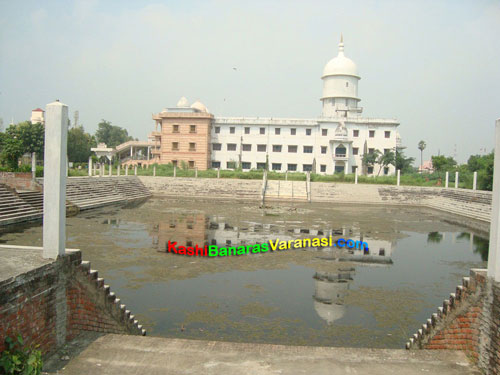 It is the great pond where Saint Kabir was found by the Neeru and Neema. It is located at the Saint Kabir Math Lahartara in the Kashi.
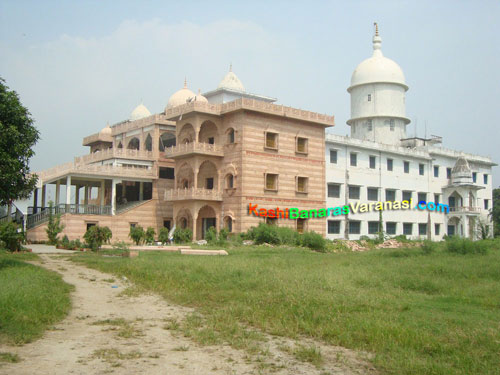 It is the Saint Kabir Math located in the Lahartara Varanasi. What a great building of the peace and real education. Saints from all over the world come here to get the real education.
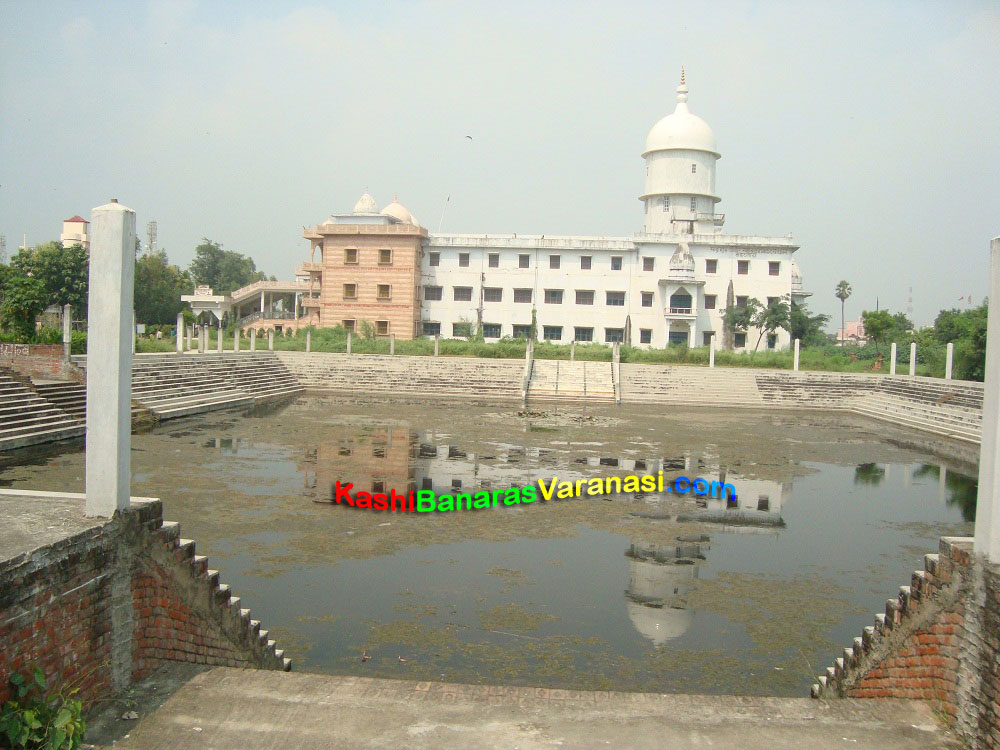 It is the great pond where Saint Kabir was found by the Neeru and Neema. It is located at the Saint Kabir Math Lahartara in the Kashi.
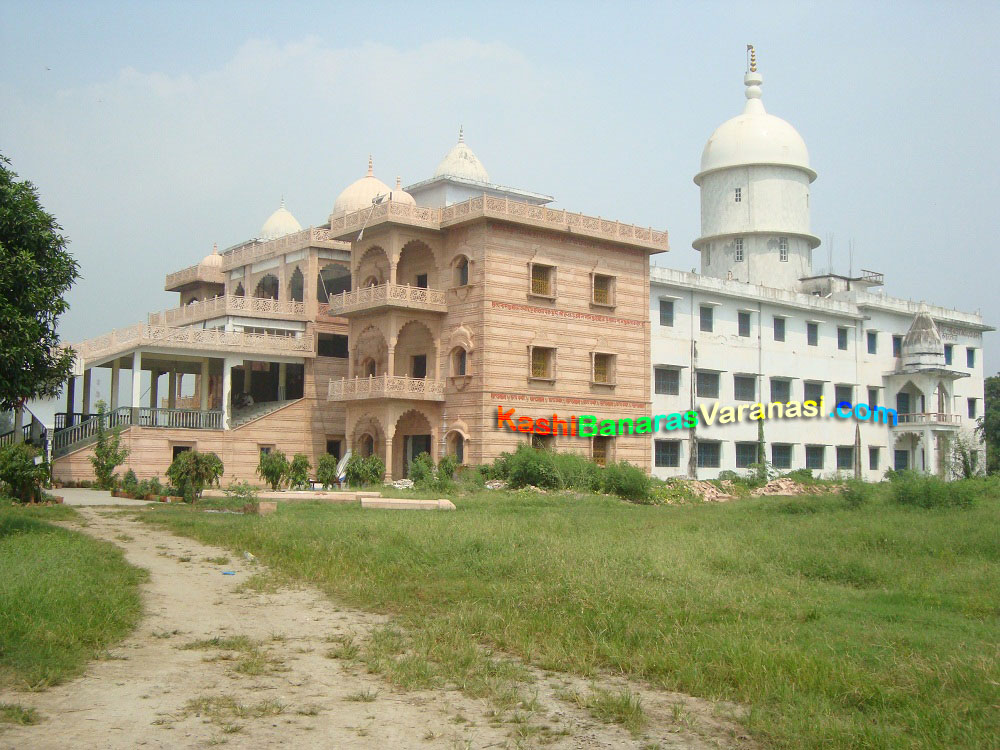 It is the Saint Kabir Math located in the Lahartara Varanasi. What a great building of the peace and real education. Saints from all over the world come here to get the real education.
Kabir Das ke Dohe
Jab Mein Tha Tab Hari Nahin‚ Ab Hari Hai Mein Nahin,
Sab Andhiyara Mit Gaya‚ Jab Deepak Dekhya Mahin
Bada hua to kya hua, jaise ped khajor,
Panthi ko chhaya nahi, phal laage ati door
https://youtu.be/TnwkL4nuQ80
Bura jo dekhan mein chala, bura na milaya koye
Jo man dekha aapna, mujhse bura na koye
Guru govind dohu khade, kake lagu paanye
Balihari guru aapne govind diyo bataye
Sab dharti kagaj karu, lekhni sab banray
Saat samunder ki masi karu, gurugun likha na jaaye
aisi vani boliye, man ka aapa khoye
auran ko sheetal kare, aaphu sheetal hoye
Nindak nihare rakhiye, aangan kuti chhaway
Bin pani bin sabun, nirmal kare subhav
Bura jo dekhan mein chala, bura na milaya koye
Jo man dekha aapna, mujhse bura na koye
Dukh mein sumiran sab kare, sukh mein kare na koye
Jo sukh mein sumiran kare, to dukh kahe ko hoye
Maati kahe kumhar se, tu kya rondhe mohe
Ek din aisa aayega, mein rondhugi tohe
Chalti chakki dekh kar, diya kabira roye
Do paatan ke bich mein, sabut bacha na koye
Malin aavat dekh ke, kaliyan kare pukar
Phoole phoole chun liye, kaal humari baar
https://youtu.be/JbPjDxzwki8
Kaal kare so aaj kar, aaj kare so ab
Pal mein pralaya hoyegi, bahuri karega kab
Pothi padh padh jag muya, pandit bhaya na koye
Dhai akshar prem ka, padhe so pandit hoye
Sai itna deejiye, ja mein kutumb samaye
mein bhi bhookha na rahu, sadhu na bhookha jaye
Loot sake to loot le, ram naam ki loot
Paache pachhtayega, jab pran jayenge chhoot
Maya mari na man mara, mar mar gaye sarir
Asha trishna na mari, keh gaye das kabir
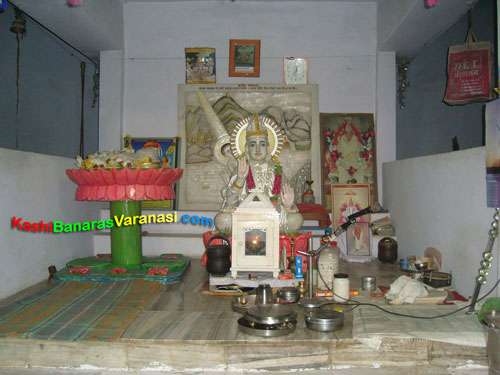 It is place where Saint Kabir was used to do the meditation and Bhakti Sadhana.
Panthi ko chhaya nahi, phal laage ati door
https://youtu.be/TnwkL4nuQ80
Bura jo dekhan mein chala, bura na milaya koye
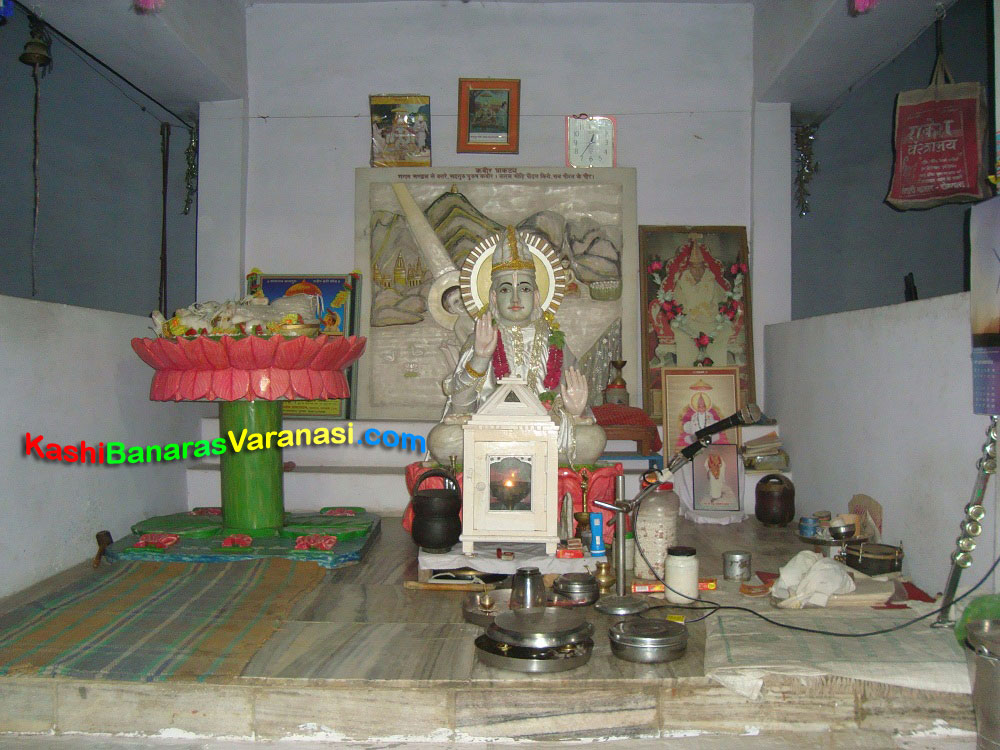 It is place where Saint Kabir was used to do the meditation and Bhakti Sadhana.
Death of Kabir Das
Kabir Das, a Sufi poet of 15th century, it is believed that he had chosen his own place of death, Magahar, which is located about 240 km away from Lucknow. He has chosen this place to die in order to remove the fairy tale (myth) from the people mind. Those days, it was considered that the one who takes his last breathes and die in the region of Magahar, would never get place in heaven as well as take birth of donkey in the next life.
Kabir Das died in Magahar instead of Kashi just because of breaking the myths and superstitions of people. According to Hindu calendar in Vikram Samvat 1575, he left the world in the Maghar in the month of Januanry in the year 1518 at Magh Shukl Ekadashi. It is also believed that the one who die in Kashi, go to the heaven directly that’s why Hindu people go to the Kashi during their last time and wait for death in order to attain the salvation. Kabir Das died out of the Kashi to demolish the myth. His one of the famous saying related to this is “jo kabira Kashi mue to rame kaun nihora” means if there is a simple way to go to heaven just by dying in Kashi then what is the necessity of worshipping God.
The teachings of the Kabir Das are universal and equal to all as he never differentiate among Muslims, Sikhs, Hindus and others of different religions. There is a mazar and samadhi of the Kabir Das in the Magahar. After his death his followers of Hindu and Muslim religion fight for the funeral of his body. But when they remove out the sheet from the dead body they only found some flowers taking which they completed the funeral according to their own customs and traditions.
There is cave few meters away from the Samadhi indicates his meditation place before death. There is running trust named Kabir Shodh Sansthan which works as a research foundation in order to promote the research on Kabir Das works. There are running educational institutions as well which includes the teachings of Kabir Das.
Kabir's poetry today
There are several allusions to Kabir's poetry in mainstream Indian film music. The title song of the Sufi fusion band Indian Ocean's album Jhini is an energetic rendering of Kabir's famous poem "The intricately woven blanket", with influences from Indian folk, Sufi traditions and progressive rock.
Noted classical singer, late Kumar Gandharva, is widely recognized for his wonderful rendering of Kabir's poetry.
Documentary filmmaker Shabnam Virmani, from the Kabir Project, has produced a series of documentaries and books tracing Kabir's philosophy, music and poetry in present-dayIndia and Pakistan. The documentaries feature Indian folk singers such as Prahlad Tipanya, Mukhtiyar Ali and the Pakistani Qawwal Fareed Ayaz.
The album No Stranger Here by Shubha Mudgal, Ursula Rucker draws heavily from Kabir's poetry. Kabir's poetry has appeared prominently in filmmaker Anand Gandhi's filmsRight Here Right Now (2003) and Continuum. Pakistani Sufi singer Abida Parveen has sung Kabir in a full album.

No comments:
Post a Comment